Showing posts with label vegetables. Show all posts

Friday, January 7, 2011

Hot Soup on a Snowy Day

Nothing fits a nice snowy day better than a hot bowl of soup. Soup is the ultimate winter comfort food. When prepared with the right ingredients soup can also be a healthy meal option. What is the best way to stir up a healthy soup? Well, start with a homemade version. Canned soups are convenient, but they are loaded with sodium. Homemade soup is simple to make and the sodium content can be controlled.
Start homemade soup with a simple broth. Make sure the broth is low fat and low sodium. Add vegetables to the broth. Tomatoes, beans, corn, carrots, potatoes and peas work well for a vegetable soup. Use your imagination. Some soups add kale, spinach, or event butternut squash. To increase the flavor of your soup, add aromatic vegetables such as onions, peppers, garlic and celery. Other ingredients that can increase the flavor and fiber are grains such as barley, brown rice or whole grain noodles. Because of the sodium concerns mentioned earlier, avoid adding salt to season soup. Herbs and salt-free seasonings such as black pepper, bay leaves, and basil add flavor without sodium.

Turkey Soup with Sweet Potatoes

1 cup cooked wild rice or brown rice
2 cups peeled, diced sweet potato, canned or fresh
1 14-ounce can low-sodium vegetable broth
1 32-ounce box low-sodium chicken broth
1 15-ounce can white beans, drained & rinsed
¾ lb. cooked turkey meat, chopped (chicken can be substituted)
1/3 cup dried cranberries or raisins
1/2 tsp. dried thyme
1 Tbsp. dried parsley
¾ tsp. black pepper
Cook rice according to package directions. Place sweet potato in medium pot and add vegetable broth. Bring to a boil, stir, lower heat and gently boil until sweet potato is cooked, about 18-20 minutes (if using canned, heat only 2-3 minutes). Add chicken broth, beans, turkey, and rest of ingredients and simmer, stirring occasionally, until soup is 165 degrees F. Makes 6 servings. Per serving: Calories 386; Total fat 3g; Sat fat <1 g: Carb 59g; Fiber 5g; 381 mg Sodium. Source: National Cancer Institute, http://www.5aday.gov/.

Friday, June 25, 2010

Anti-Inflammatory Diet = Good Summer Eating

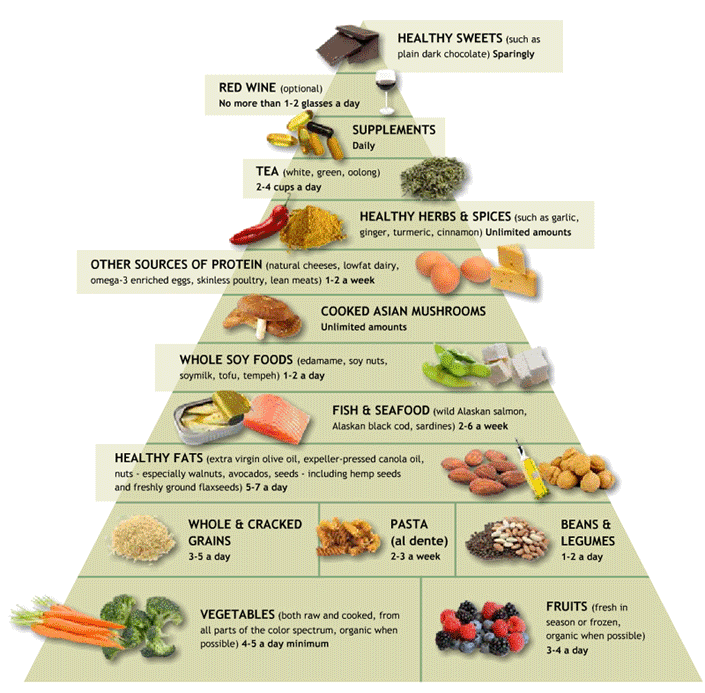
Recent health journals have been reporting that lowering cellular inflammation in the body reduces the risk of chronic diseases such as heart disease and diabetes, as well as facilitating weight loss, reducing depression, acne, aging, arthritis, Crohn’s disease and multiple sclerosis. Drs. Barry Sears (Zone Diet), Nicholas Perricone (weight loss and cosmetic guru) and Andrew Weil (natural health and healthy aging proponent) have written books and listed anti-inflammatory diets on their websites over the last ten years. Several new books have also been released on this topic.

While the content of this diet differs somewhat by creator, included in all diets are colorful fruits and vegetables, especially berries. Dr. Weil’s Anti-Inflammatory Food Pyramid lists 3-4 servings of fruit and 4-5 servings of vegetables as the base of this diet (a serving equals ½ cup cooked or chopped fruit or vegetable, 2 cups of leafy greens or 1 piece of fruit). Fruits and vegetables contain powerful antioxidants that protect the body against disease, especially cancer.

All diets emphasis choosing healthy fats, focusing on monounsaturated fats found in olive oil, nuts, avocados and fatty fish like salmon and sardines. Fish oil supplements are another method to boost omega-three fatty acid intake, also linked to reduced chronic disease risk. Plant sources of omega-3 fatty acids are walnuts and flax (now added to some cereals, bread and granola bars).

Healthy carbohydrates can include whole grain breads, legumes and fruits and vegetables. Many healthy carbs contain fiber and have a lower glycemic index(slowing the spike in blood sugar created when eatingf ood made from refined flour and sugar), both linked to lower inflammation.

The anit-inflammatory diet advises to avoid processed foods as much as possible. Some health educators recommend basing food choices on the number of ingredients listed on the package food label. Processed foods often contain multiple preservatives and ingredient derivatives. Be cautious, however, of food spoilage and mold if unprocessed food is purchased. Tea, both black and green, contains antioxidants linked to reduced chronic disease. Red wine and dark chocolate, eaten in moderation, are also foods found on the Mediterranean diet and Dr. Weil’s anti-inflammatory food pyramid.

Finally, spices such as turmeric, ginger, green onions and garlic have found their place on these diets. Flavoring your food with these antioxidant spices and herbs instead of salt has long been a recommendation for lowering blood pressure and reducing the risk of heart disease and stroke. The anti-inflammation diet recommendations fit well with the abundance of colorful summer vegetables and fruits into our markets. Enjoy the dark greens, blue and blackberries,summer squash and tomatoes, seasoned with a little olive oil and vinegar and topped with toasted sunflower seeds. Add some fresh brewed ice tea - either black or green - and you'll be eating healthy this summer.
http://www.drweil.com/drw/u/PAG00361/anti-inflammatory-food-pyramid.html Pyramid shown is the Anti-inflammatory Food Pyramid from Dr.Weil.

Friday, May 22, 2009

Plan Now for Summer Produce

Memorial Day weekend is finally here. This holiday is always a reminder that summer is just around the corner. With the warmer summer days, can come an abundance of summer fruit and vegetables. Whether you are harvesting from your own garden or purchasing from a local farmers’ market, it can be a challenge to properly store all of the fresh produce. Now is the time to plan how you will save fresh summer produce for use throughout the year. Canning and Freezing are two of the three main methods of preserving food. The preservation method you use really depends on the types of foods you want to preserve and which method suits your needs. According to So Easy to Preserve, a food preservation handbook published by the University of Georgia Cooperative Extension, canning is the process in which foods are placed in jars or cans and heated to a temperature that destroys microorganisms and inactivates enzymes. Freezing reduces the temperature of the food so that microorganisms cannot grow. To prepare for the upcoming food preservation season keep these tips in mind. • Determine if preserving food will actually save you money. Consider the cost in growing food in your own garden. If you are receiving food as a gift little cost is involved. Purchasing food from a farmers’ market may offer good prices when you buy at the peak of the season. • Some foods may be better suited for freezing while others may be best if canned. For help determining the best food preservation method for a certain food, contact your local Extension office for detailed preservation instructions. • Assemble freezing or canning equipment early so you will have everything you need before your produce arrives. Also make sure your canner is in good working condition. If you have a dial gauge pressure canner plan to have it tested for accuracy. Contact your local Extension office or manufacturer of the canner for information on how to have this done. • Schedule enough time to finish your food preservation projects. Trying to preserve too much food in a small amount of time can be overwhelming. Be sure to read and follow reliable food preservation methods for the food you are storing. Set aside a realistic amount of time to work with and process the foods you are preserving. • Take a food preservation class. This is a great way to meet other people with an interest in home food preservation and to learn the latest techniques and requirements for safe preserving. Check with your local Extension office for class schedules or the latest publications. • Check these links for more information on home food preservation.The National Center for Home Food Preservation http://www.uga.edu/nchfp/ Penn State Extension Home Food Preservation Website http://foodsafety.psu.edu/preserve.html

Thursday, May 7, 2009

Save the Day with Spinach!

As a child I watched Popeye the Sailorman cartoons on TV. When Popeye was in trouble he ate a can of spinach, his muscles would bulge and he would rush in to save the day. "Yeah right," I would think. "Spinach is gross!" As an adult, I now know that Popeye was a pretty smart guy, and I have learned to love spinach!

Easy to grow and now is the time. I can't remember how old I was when I started eating spinach, but I do remember that eating it fresh from the garden was what changed "Gross!" into "Yum!". Spinach is one of the easier vegetables to grow and spring is the time to plant. Check with your local State Cooperative Extension office for local growing details and resources to help you get started. If you can't grow your own spinach, check out your local farmers market for this fresh picked, nutrient rich vegetable.

There's more to spinach than meets the eye. Federal labeling only requires nutritional information for the main nutrients of A, C, Calcium and Iron. Spinach has these and so much more! Spinach is an excellent source of vitamin K, vitamin A, manganese, folate, magnesium, iron, vitamin C, vitamin B2, calcium, potassium, and vitamin B6. It is a very good source of dietary fiber, copper, protein, phosphorus, zinc and vitamin E. And spinach is even a good source of omega-3 fatty acids, niacin and selenium.

Use spinach raw or cooked.

Spinach is great raw in salads and dips. Cooked, it can be added to eggs, soups, and casseroles or as a side dish for breakfast, lunch and dinner making it easy to consume 5-9 servings of vegetables a day. Maybe my kids will not agree with that statement, I have not totally won them over to the wonders of spinach, but they have eaten it more than they know. Spinach has a wonderful mild taste when picked early as small leaves and compliments many recipes, so I add it to my cooking when available. The basic guidelines for selecting, storing and using spinach can be found at: http://montgomery.extension.psu.edu/Nutrition/PBGweb.pdf

So eat your spinach and save the day!

Tuesday, February 3, 2009

Teaching Children to Eat Locally

Recent concerns about E. Coli outbreaks and the ongoing debates about food preservatives and additives have resulted in consumers looking at local producers with more interest. Since it is impossible to know what pesticides were applied and the production and transportation procedures used with a piece of produce from South America, foods that are grown locally give the consumer more control over what they put into their bodies.
Most people agree that locally grown produce tastes better as the farmer has not focused on packing, shipping and shelf-life and instead has harvested his produce at the peak of freshness. The tomatoes we buy in the supermarket were most likely harvested and shipped green and ripened artificially as compared to those nice red tomatoes available at the farmer’s market or farm stand. Buying from the farmer down the road eliminates the typical 1,500 mile trek that the average food item normally travels before reaching your table. Think of the fuel costs being saved!
Another great benefit to eating locally grown foods is it helps the local economy. Farmers that sell directly to the public receive the full retail value. Keeping farmers in business means the preservation of farmland in your community.
Some people ask if they will save money by purchasing locally grown food. Unfortunately you don’t always save. The scale of production comes into play as the farmer in California may have produced 2,000 acres of peppers, compared to the local farmer with one acre.
So what does this “buy local” trend mean to you as a parent? Undoubtedly you have read about the increasing trend of childhood obesity and the need to promote healthy eating. One of the easiest ways to increase the consumption of fruits and vegetables in children is to involve them in the selection and preparation of these foods. Strolling through a farmers’ market on an early Saturday morning is great fun for kids as they take in the sights and smells. Let the bright colors of the produce attract their eye. Often there is an opportunity to taste some fresh fruit or a fun recipe featuring an in-season veggie.
Involve your child in the preparation of the fruit and vegetable – you are almost guaranteed that they will eat it, if they help make it! By purchasing directly from a farmer, you have the added bonus of showing your child how food is grown. Take a look at the tomatoes growing on the vine or the ears of corn on the stalk. Some farms offer “pick-your-own” for some crops like strawberries which makes for a memorable adventure and learning experience for the preschooler!
The other thing you will notice when you purchase your produce locally is that there are seasons for every fruit and vegetable, unlike shopping in the supermarket. Knowing that there is a short window of opportunity for enjoying that delicious sweet corn makes it taste even better when it finally hits the stands!
If you have trouble locating local markets or producers, contact the Cooperative Extension office in your county or region. In Pennsylvania you can go to http://extension.psu.edu/extmap.html to find the phone number of your closest extension office.