Showing posts with label whole grains. Show all posts

Friday, January 7, 2011

Hot Soup on a Snowy Day

Nothing fits a nice snowy day better than a hot bowl of soup. Soup is the ultimate winter comfort food. When prepared with the right ingredients soup can also be a healthy meal option. What is the best way to stir up a healthy soup? Well, start with a homemade version. Canned soups are convenient, but they are loaded with sodium. Homemade soup is simple to make and the sodium content can be controlled.
Start homemade soup with a simple broth. Make sure the broth is low fat and low sodium. Add vegetables to the broth. Tomatoes, beans, corn, carrots, potatoes and peas work well for a vegetable soup. Use your imagination. Some soups add kale, spinach, or event butternut squash. To increase the flavor of your soup, add aromatic vegetables such as onions, peppers, garlic and celery. Other ingredients that can increase the flavor and fiber are grains such as barley, brown rice or whole grain noodles. Because of the sodium concerns mentioned earlier, avoid adding salt to season soup. Herbs and salt-free seasonings such as black pepper, bay leaves, and basil add flavor without sodium.

Turkey Soup with Sweet Potatoes

1 cup cooked wild rice or brown rice
2 cups peeled, diced sweet potato, canned or fresh
1 14-ounce can low-sodium vegetable broth
1 32-ounce box low-sodium chicken broth
1 15-ounce can white beans, drained & rinsed
¾ lb. cooked turkey meat, chopped (chicken can be substituted)
1/3 cup dried cranberries or raisins
1/2 tsp. dried thyme
1 Tbsp. dried parsley
¾ tsp. black pepper
Cook rice according to package directions. Place sweet potato in medium pot and add vegetable broth. Bring to a boil, stir, lower heat and gently boil until sweet potato is cooked, about 18-20 minutes (if using canned, heat only 2-3 minutes). Add chicken broth, beans, turkey, and rest of ingredients and simmer, stirring occasionally, until soup is 165 degrees F. Makes 6 servings. Per serving: Calories 386; Total fat 3g; Sat fat <1 g: Carb 59g; Fiber 5g; 381 mg Sodium. Source: National Cancer Institute, http://www.5aday.gov/.

Friday, June 25, 2010

Anti-Inflammatory Diet = Good Summer Eating

Recent health journals have been reporting that lowering cellular inflammation in the body reduces the risk of chronic diseases such as heart disease and diabetes, as well as facilitating weight loss, reducing depression, acne, aging, arthritis, Crohn’s disease and multiple sclerosis. Drs. Barry Sears (Zone Diet), Nicholas Perricone (weight loss and cosmetic guru) and Andrew Weil (natural health and healthy aging proponent) have written books and listed anti-inflammatory diets on their websites over the last ten years. Several new books have also been released on this topic.

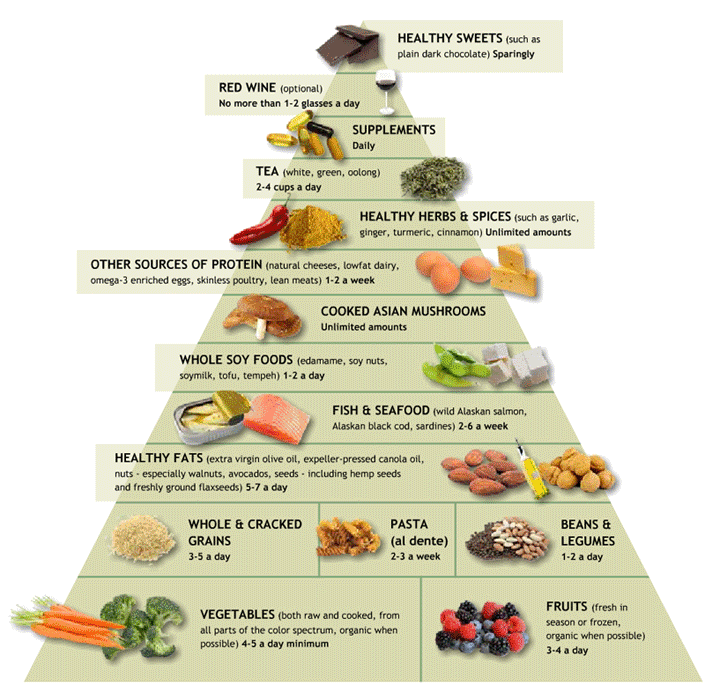
While the content of this diet differs somewhat by creator, included in all diets are colorful fruits and vegetables, especially berries. Dr. Weil’s Anti-Inflammatory Food Pyramid lists 3-4 servings of fruit and 4-5 servings of vegetables as the base of this diet (a serving equals ½ cup cooked or chopped fruit or vegetable, 2 cups of leafy greens or 1 piece of fruit). Fruits and vegetables contain powerful antioxidants that protect the body against disease, especially cancer.

All diets emphasis choosing healthy fats, focusing on monounsaturated fats found in olive oil, nuts, avocados and fatty fish like salmon and sardines. Fish oil supplements are another method to boost omega-three fatty acid intake, also linked to reduced chronic disease risk. Plant sources of omega-3 fatty acids are walnuts and flax (now added to some cereals, bread and granola bars).

Healthy carbohydrates can include whole grain breads, legumes and fruits and vegetables. Many healthy carbs contain fiber and have a lower glycemic index(slowing the spike in blood sugar created when eatingf ood made from refined flour and sugar), both linked to lower inflammation.

The anit-inflammatory diet advises to avoid processed foods as much as possible. Some health educators recommend basing food choices on the number of ingredients listed on the package food label. Processed foods often contain multiple preservatives and ingredient derivatives. Be cautious, however, of food spoilage and mold if unprocessed food is purchased. Tea, both black and green, contains antioxidants linked to reduced chronic disease. Red wine and dark chocolate, eaten in moderation, are also foods found on the Mediterranean diet and Dr. Weil’s anti-inflammatory food pyramid.

Finally, spices such as turmeric, ginger, green onions and garlic have found their place on these diets. Flavoring your food with these antioxidant spices and herbs instead of salt has long been a recommendation for lowering blood pressure and reducing the risk of heart disease and stroke. The anti-inflammation diet recommendations fit well with the abundance of colorful summer vegetables and fruits into our markets. Enjoy the dark greens, blue and blackberries,summer squash and tomatoes, seasoned with a little olive oil and vinegar and topped with toasted sunflower seeds. Add some fresh brewed ice tea - either black or green - and you'll be eating healthy this summer.
http://www.drweil.com/drw/u/PAG00361/anti-inflammatory-food-pyramid.html Pyramid shown is the Anti-inflammatory Food Pyramid from Dr.Weil.

Friday, January 22, 2010

Pack a healthier sandwich


Sandwiches are a lunchtime staple for many people. Packing a homemade sandwich can stretch your food budget and, if done right, be a healthy addition to the lunch menu. So what are some of the ingredients to consider when building a sandwich? The type of bread is important, along with what goes between the bread.

When many of us think sandwich, we think bread, meat and mayo. But there are a host of sandwich additions that can make that plain, old ham on white seem obsolete. Let’s take a look at how to change a dull sandwich into the envy of all of your lunchtime friends.

Choose a healthier bread option. When selecting bread look for whole wheat. Whole wheat bread will give you more fiber, at least 2 grams per slice. You can make sure that the bread you pick is whole wheat by checking the label. The first ingredient on the ingredient list should be 100% whole wheat. Think outside the slice. When it comes to breads you have other options. Whole wheat tortillas or wraps are great for adding a different texture to your sandwich. The next time you are in the grocery store bread aisle, explore some of the whole wheat possibilities that can be used.

Read the food label when shopping for healthier meat options. Many processed, cold cuts and deli meats, will contain high amounts of sodium. Tuna canned in water is a low fat option, but when you add mayonnaise, you add fat and calories.

Vegetables can be used to add color and interesting taste to your sandwich. Lettuce and tomato are what most of us think of when adding vegetables to a sandwich. Spinach leaves, Shredded carrot, cucumber and green and red pepper can add a rainbow of color and taste.

Don’t forget dairy choices. Cheese is a good source of calcium and protein. If you are concerned with adding fat and calories, try a low fat version of your favorite cheese.

Cut out the high fat mayonnaise and add low or no fat condiments to your sandwich. Mustard is a fat free choice. Low fat salad dressings also work well on sandwiches and wraps.

Iowa State Extension has a fun activity on their Nutrition Diet and Health Website. You can actually practice building a healthy sub-sandwich. This link will take you to the site: http://www.extension.iastate.edu/healthnutrition/nutrition/sandwich.htm.

Monday, January 5, 2009

Happy New Year!

Happy New Year! I had a wonderful holiday season of special meals, toasts to friends and family, traditional goodies around the house, late hours and a general vacation lifestyle. I hope that you had a good holiday too! But here it is, January 2009 and back to work. Are you feeling a little bloated with the holiday foods and the celebratory lifestyle like I am? Where do we start to get back on the track? First of all, take inventory. Have you cleaned up the holiday decorations and put them away for next year? Do the same for your food inventory. Are there still lots of high fat and sugar temptations calling your name? Fancy cheeses and dips, cookies, boxes of candies, nut breads? All of these don’t need to be thrown away – I know that some of you have thrifty genes! Look at what you can freeze. Inspect leftovers carefully for signs of spoilage. If you see mold on cheeses, breads or cookies that have been kept for over two weeks at room temperature, toss these into the trash. Cheeses and breads can be frozen by wrapping tightly in freezer bags, plastic wrap or aluminum foil if they are still fresh. Avoid air pockets that will collect frost which will affect the taste and quality of the product. If leftover goodies are not worthy of freezing but still lingering, sort them into portions so they can be included into meals or snacks in reasonable amounts and not tempting you to eat just one more. Combine cheeses with fresh vegetables, whole grain bread and or low fat soups. All foods can fit into a healthy diet if eaten in proportion with other healthy foods. Refresh your pantry with lots of fruits and vegetables. Cut these into portions that can be packed into small bags so they can be available for snacks, car trips and lunches. Plan your dinner menus to include larger portions of colorful vegetables instead of large portions of meat and starchy foods. Studies have shown that this Mediterranean style of eating also assists in weight loss and healthier hearts. Get out of the house! Plan some form of exercise for each day that gets you away from the kitchen. If the weather keeps you inside but you can get to the mall, take several laps around the inside. With some of the larger grocery stores, you could even work off some calories making an extra trip up and down the aisles! Keeping busy away from food removes the temptation to snack. As we pack up the holiday, give yourself one more gift. Think about what you need to do to be healthy. Join an exercise class, start planning your menus, try some new recipes that are lower in calories, fat and salt or start a journal of healthy habits. Then share your plans with a friend who might join you in your efforts. I wish you a wonderful 2009 – and may this month include a step towards good health. I’m putting on my walking shoes. Those snickerdoodles will have to wait until lunch time. Good luck!

Thursday, July 3, 2008

Corn - The Stalk of Life?

Corn is getting a lot of attention these days. Always a summer favorite in its fresh form on the cob, corn is also being grown by Pennsylvania farmers for fuel. Penn State is heavily invested in the research needed to convert plant materials, including corn, into biofuels that will ease our increasing energy needs. http://www.bioenergy.psu.edu/crossover2007 Corn has the distinction of being both a vegetable and a grain. “Sweet corn” is grown to be eaten fresh, canned or frozen. The sugar in corn converts to starch once the ears are picked. Keeping the corn cold and moist will delay this process and most corn will keep for nearly a week in the refrigerator. Of course, the sooner eaten, the sweeter! Sweet corn is high in fiber, niacin and folate with some vitamin A in the yellow ears. Florida grows most fresh market corn. “Supersweet”, a variety of Florida corn, has twice the sugar content of most corn and allows this corn to be shipped to distant markets. “Field corn” is picked at a mature starchy stage and the kernels are dried until hard. These kernels are ground and used as an ingredient in many foods as corn meal, corn starch or even corn syrup. Corn is the only native American cereal grain, originating in Mexico or Central America. The early explorers took corn kernels back to Europe where corn became a staple food. Because corn is ground as a whole kernel, foods made from corn meal are whole grain and contain a significant amount of fiber. Popcorn is a field corn with thick walled kernels that cause it to explode when steam builds in the kernels during cooking. Raw corn cannot be digested by human digestive tracks so needs to be cooked to break down the starch. Boiling may be the most common cooking method where the ears are immersed in boiling water. Corn can also be steamed or microwaved. More recently, recipes have called for roasted corn. To roast corn, pull the husks back and remove the silk, then replace the husks and tie with kitchen string. Soak the corn ears in cold water for five minutes. Place the corn on a hot grill and cook 15 – 20 minutes, turning occasionally. Corn can also be roasted in the oven at 375°F for 20 – 30 minutes. Roasting will leave a charred look to the kernels and a distinctive smoky flavor. Kernels can be cut off of the cob and used in salads, soups or casseroles. They can even be frozen for later use. Pennsylvania corn is available from July to September. Look for fresh green husks and moist, plump kernels. Visit your farmers’ markets or local produce stands for “just picked” corn to get the sweetest ears. Enjoy corn all year long in its various forms. And who knows, we may even be driving to the grocery store on corn biofuel in the near future! For more information, recipes and activities on corn, go to: http://panep.psu.edu/snap/material/corn